
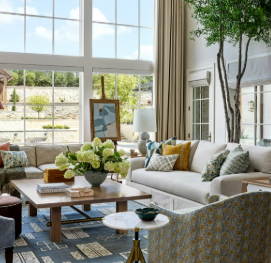
Home improvement center experts emphasize practical, modular design that adapts to space and budget. They start with durable furnishings and scalable storage, layering textures and restrained color to guide mood without clutter. Decisions hinge on measurable goals, with sample boards and lighting tests that balance function and ambiance. Consistent light-collection strategies align palettes to room uses, while trends are adopted thoughtfully to maintain cohesive cohesion through color, texture, and purposeful focal points, inviting further exploration.
Interior Design Ideas From Home Improvement Center Experts
Home improvement centers are a rich resource for practical interior design ideas grounded in affordability and feasibility.
Experts outline straightforward concepts: optimize space with modular storage, select versatile furniture, and exploit natural light.
Color palettes guide mood without clutter.
Lighting fixtures anchor function and ambiance, balancing task and accent needs.
The approach emphasizes measurable goals, durable materials, and cost-conscious experimentation for empowered decision-making.
H2 Subheading 2
From the prior discussion on practical, budget-conscious design, this section grounds the ideas in concrete steps and measurable outcomes.
Home design decisions hinge on a restrained palette, tested with sample boards and lighting tests.
Focus on color palettes that flex with space and mood, document results, and adjust accordingly.
Practical measurements, consistent finishes, and clear scalability ensure freedom within a cohesive, affordable framework.
H2 Subheading 3
Are you looking for a clear path to cohesive color and texture across a space? Designers describe practical steps to unify furniture, materials, and finishes without overhauling routines. Focus on balanced contrast, durable textures, and consistent light-collection strategies. Consider evolving color palettes and evolving design trends, then test with swatches. These methods prioritize flexibility, function, and freedom in everyday living.
H2 Subheading 4
To begin shaping a cohesive space, designers emphasize methodical sequencing of focal points, textures, and lighting to guide perception and routine.
The subtopic examines aligning a concept palette with room function, selecting durable, budget friendly furnishings, and prioritizing modular pieces.
Practical choices include layered textures, scalable storage, and clear rhythm.
This approach yields flexible, cost-conscious spaces that remain visually cohesive and comfortable.
See aso: barkazouha
Frequently Asked Questions
How Do I Prioritize a Small Space When Decorating?
Prioritize small spaces by layering multifunctional furniture, optimizing storage, and using vertical space. Consider decorating efficiency and budgeting impact; select durable materials and appropriate lighting by room. Avoid common mistakes and decorating pitfalls in high traffic decor.
Which Budget-Safe Redesign Delivers the Biggest Impact?
A budget-friendly redesign with the biggest impact centers on bold color psychology, balanced lighting, and smart scale. It offers a practical problem-solution path: upgrade textiles, declutter, and repaint. The result: freer spaces, cohesive mood, tangible payoff.
What Lighting Is Best for Different Rooms?
Warm ambient lighting suits living areas, while task lighting belongs in kitchens and offices; accent lighting highlights art. Lighting layering and color temperature guide choices, ensuring flexible, practical illumination that supports varied activities and a feeling of freedom.
How Do I Choose Durable Materials for High-Traffic Areas?
Choose durable materials by testing wear, stain resistance, and easy maintenance for high-traffic surfaces; ensure lighting compatibility and room-specific illumination to guide finish choices, color, and texture for practical, freedom-minded, solution-focused results.
What Are Common Decorating Mistakes to Avoid?
Common decorating mistakes include overfurnishing, ignoring scale, and mismatched lighting. To avoid them, assess room function, plan focal points, use proportionate furniture, and test color harmony. Anticipate needs, balance aesthetics with practicality, and minimize clutter for freedom.
Conclusion
In short, the “experts” remind us that lessons from Home Improvement Centers aren’t mystical—just practical recipes we already own. Start with sturdy, budget-friendly basics, then layer modular storage and tested palettes to keep life orderly, not loud. Measure goals, test lights, and let textures whisper rather than shout. Ironically, the more you plan around function, the more room you’ll discover for improvement, even if your budget pretends otherwise. The truth: disciplined spontaneity beats decorative chaos every time.
