
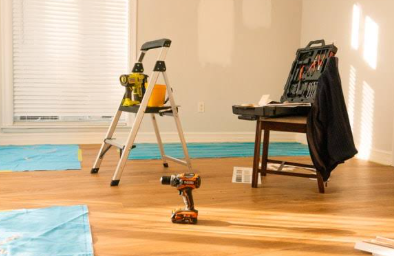
A practical approach to home improvement starts with a clear budget and disciplined planning. Identify needs versus wants, set a firm spend cap, and update forecasts weekly. Prioritize durable tools and materials that deliver long-term value, while storing them with modular, labeled systems. Compare deals carefully and watch for hidden costs and low-efficiency buys. Favor flexible, upgrade-ready options that tolerate change, ensuring sustainable progress. With disciplined sourcing and cost tracking, ambitious projects become achievable—and the next step becomes clearer.
Set a Realistic Budget for DIY Upgrades
Setting a realistic budget for DIY upgrades begins with a clear assessment of needs versus wants and a firm cap on spend. A disciplined budget mindset guides decisions, preventing overshoot and wasted effort. Track every purchase through cost tracking methods, update forecasts weekly, and prioritize essential improvements. This approach sustains autonomy, ensuring freedom to allocate resources without compromising project integrity or safety.
Essential Tools and Materials That Deliver Value
A well-planned budget carries over into choosing the right tools and materials. Essential picks emphasize reliability, versatility, and value. Practical, durable options reduce waste and time, supporting independent projects. Budget planning guides selections for core implements and foundational materials, while encouraging smart material sourcing to maximize performance per dollar. This approach prioritizes freedom through informed, cost-efficient, long-term investments.
Smart Storage and Organization on a Budget
Smart storage and organization on a budget focuses on maximizing usable space with durable, low-cost solutions. The approach favors modular systems, clear storage bins, and wall-mounted options to reduce clutter without sacrificing accessibility. Creative decluttering guides efficient use of every inch, while space optimization prioritizes labeled, easy-to-remove containers. Practical choices empower homeowners with organized freedom and enduring, budget-conscious results.
Shopping Smart: Deals, Comparisons, and Common Pitfalls
Shopping smart means evaluating deals, comparing features, and spotting common pitfalls before purchases.
A detached reader weighs budget planning against need, prioritizes tool efficiency, and favors durability vs. price when selecting core items.
Comparisons reveal true value, while beware hidden costs and return policies.
Budget friendly storage options simplify organization, aligning purchases with freedom to upgrade later without regret.
See also: barkazouha
Frequently Asked Questions
How Do I Prioritize Projects Within a Tight Budget?
Prioritizing budget requires evaluating impact and cost. The approach: identify ROI-focused projects, rank by payback period, prioritize essential fixes, allocate contingency, and sequence improvements to maximize value while preserving flexibility and freedom in decision-making.
Which Home Improvement Projects Offer the Best ROI?
Could they maximize ROI with landscape lighting and smart thermostats, commonly delivering lasting value? These upgrades offer tangible payoffs, are budget-conscious, and empower owners to improve comfort and curb appeal while preserving financial freedom and practical control.
What Are Cost-Effective Ways to Source Quality Used Materials?
Used materials can be sourced affordably through salvage yards, online marketplaces, and contractor connections. Sourcing tips emphasize inspecting condition, verifying dimensions, negotiating bulk discounts, and prioritizing essential components to maximize ROI while preserving freedom to allocate funds elsewhere.
How Can I Estimate Installation Time and Labor Costs?
The estimation process considers project scope, sequence, and site conditions to estimate timing and labor pricing. It factors contingencies, labor rates, and efficiency. This approach remains practical, budget-conscious, authoritative, empowering the client with transparent, flexible cost planning.
What Financing Options Help Manage DIY Project Expenses?
Financing options exist to manage expenses, enabling flexible repayment and lower up-front strain. The approach emphasizes prudent budgeting, with options such as personal loans, credit lines, and contractor financing, balanced against interest, terms, and project scope for freedom-minded households.
Conclusion
A disciplined, budget-conscious approach turns DIY ambitions into repeatable outcomes. By setting a firm spend cap and updating forecasts weekly, homeowners avoid overreach while building core capabilities. An interesting stat reinforces the mindset: households that track repairs and purchases save up to 15–20% annually on improvements. Prioritizing essential tools, durable materials, and modular storage ensures long-term value. Smart sourcing and clear cost tracking empower gradual upgrades without sacrificing independence or quality.
